Edmonton Green Market Rubbish Removal Guide N9
If you run a stall, manage a unit, or simply have to clear rubbish around Edmonton Green Market, you already know the annoying part is not always the lifting. It is the timing, the access, the mixed waste, and the need to keep everything tidy without getting in the way of traders or shoppers. This Edmonton Green Market Rubbish Removal Guide N9 walks through the practical side of market waste clearance in plain English, so you can deal with it quickly, sensibly, and without last-minute panic.
Whether you are handling cardboard after a busy weekend, broken display materials, old stock, food packaging, or bulky items that will not fit in a normal bin, the goal is the same: get it moved safely and responsibly. And, to be fair, the best rubbish removal plans are usually the boring ones-the ones that just work.
In this guide, you will find how the process works, what to look out for, when it makes sense to book help, and the mistakes people make when they try to wing it. If you need broader support beyond market waste, it can also help to understand wider waste removal options and whether your load is better suited to a simple collection or a more tailored clearance service.
Why Edmonton Green Market Rubbish Removal Guide N9 Matters
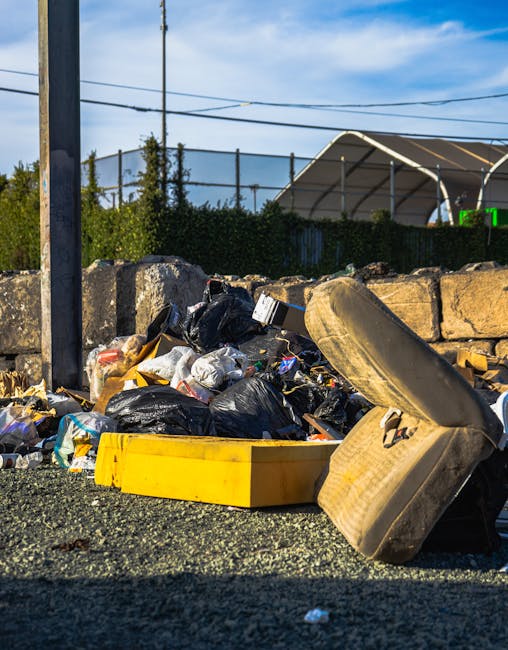
Markets generate waste in a different way from homes or offices. There is usually a mix of light packaging, food-related waste, damaged stock, display materials, and the odd awkward bulky item that turns up at the worst possible moment. Add foot traffic, tight loading areas, and the fact that stalls often have limited storage, and rubbish can become a real operational issue very quickly.
At Edmonton Green, that matters even more because market areas need to stay presentable and easy to move through. Overflowing waste bags, loose packaging, or a few stray items by a stall can make a space feel chaotic in no time. You know the look: one windy afternoon, a couple of cardboard boxes become ten, and suddenly the whole pitch feels untidy. Not ideal, especially if you want to keep traders, customers, and neighbours on side.
Rubbish removal also matters because it affects:
- Trading efficiency - waste that sits around can block storage, access, or packing space.
- Safety - loose debris, broken items, and spill risks create avoidable hazards.
- Professional appearance - a clean market pitch gives a better impression.
- Compliance and responsibility - some waste types need special handling rather than a casual throw-away approach.
In practice, good rubbish removal is part of keeping the market moving. It is not just about cleaning up; it is about preventing clutter from becoming a daily headache.
How Edmonton Green Market Rubbish Removal Guide N9 Works
Most market rubbish removal follows a simple pattern: identify the waste, separate anything sensitive or restricted, decide on the best collection method, and arrange a pickup at a time that does not disrupt trading. The actual detail depends on the type and volume of rubbish, but the process is usually straightforward when someone has thought it through beforehand.
Here is the usual flow.
- Assess the waste - Is it cardboard, mixed general rubbish, old stock, broken fittings, or something that needs special disposal?
- Separate the stream - Recyclable materials, confidential items, food waste, and hazardous items should not be lumped together.
- Estimate the volume - A few sacks is very different from a full stall clear-out after a stock refresh.
- Choose the collection style - Same-day clearance, scheduled removal, or a larger all-in-one clearance may be more suitable.
- Arrange access - Think about parking, loading points, lift access if applicable, and trading hours.
- Load and remove - The waste is collected, sorted where possible, and taken away for appropriate disposal or recycling.
The best results come when the site is ready before the team arrives. That sounds obvious, but you would be surprised how often delays happen because waste is still scattered between stalls or mixed with items that were meant to stay. A small bit of prep saves a lot of back-and-forth.
If your rubbish includes stockroom clutter, old shelving, furniture, or heavier items, it may be worth looking at services like flat clearance, office clearance, or garage clearance style collections, because the same methodical approach to sorting and removal can apply to market-side spaces too.
Key Benefits and Practical Advantages
The obvious benefit is that rubbish disappears. But the real advantages run deeper than that. Proper market waste clearance gives you breathing room, improves presentation, and helps avoid the messy little interruptions that slow everything down.
1. Less clutter, more usable space
Market stalls and back-of-house areas are usually compact. When rubbish starts collecting, you lose working room fast. A clean-out gives you space to move, pack, store, and reset for the next trading session.
2. Better presentation for customers
Let's face it, people notice mess. Even if they do not say anything, they notice. A tidy area feels more organised, more trustworthy, and more worth browsing.
3. Reduced stress for traders and staff
Clear, scheduled rubbish removal means fewer last-minute scrambles. There is a lot to be said for knowing exactly when waste is leaving site.
4. Better recycling outcomes
Cardboard, metal, plastics, and certain packaging materials can often be separated more effectively when the waste is handled properly from the start. If sustainability matters to your business, that is a real win. You can also read more about broader environmental practices through recycling and sustainability.
5. Easier seasonal resets
Markets often have bursts of activity-holiday periods, themed weekends, stock refreshes, end-of-season changes. A decent removal plan makes those transitions much less painful.
Expert summary: The strongest rubbish removal plans are not complicated. They are simply consistent, well-timed, and matched to the type of waste being produced.
Who This Is For and When It Makes Sense
This guide is useful for anyone dealing with waste around Edmonton Green Market, but it is especially relevant if you are responsible for a stall, small unit, pop-up space, or shared trading area. The common thread is that the waste is not quite domestic, not quite industrial, and often time-sensitive.
You may need this kind of removal if you are:
- a stallholder clearing cardboard, packaging, and broken display items
- a market operator managing shared waste after a busy weekend
- a trader changing stock and removing old shelving or signs
- a food vendor dealing with mixed packaging and food-related rubbish
- a business using a market-style space for storage or sales
- someone clearing a nearby unit, back room, or storage area before reopening
It also makes sense when the waste is simply awkward. A few small bags? Fine. A pile of broken stands, damp cardboard, old stock, and a sagging box of mixed rubbish? That is when a proper collection starts saving time and effort.
If the rubbish is tied to a wider business clean-up, business waste removal may be the better fit. If it is more of a shopfront or trading unit strip-out, then something broader like home clearance or house clearance may be useful as a comparison point for scale and planning.
Step-by-Step Guidance
If you want to handle Edmonton Green Market rubbish removal smoothly, the easiest way is to work through it in stages. Nothing fancy. Just a proper sequence.
1. Walk the space first
Before moving anything, take a full look at what needs clearing. Separate general rubbish from anything recyclable, reusable, or sensitive. If there are broken fittings, appliances, or bulky items, note those early so nothing is missed.
2. Decide what stays and what goes
This sounds obvious, but rushed clear-outs can be messy. Put aside documents, stock that is still usable, personal items, and anything you do not want removed by mistake. A five-minute check can save a lot of regret later.
3. Sort by waste type
Group similar waste together where possible. Cardboard with cardboard. General rubbish with general rubbish. Anything potentially restricted or hazardous should be separated completely. If you are unsure, treat it cautiously rather than assuming it is fine.
4. Bag or bundle the waste neatly
Loose waste slows everything down. Good bundling makes loading safer and quicker. Cardboard should be flattened, bags should be tied, and sharp edges should be handled carefully. A messy pile always takes longer than it should. Always.
5. Check access and timing
Think about where the collection vehicle can park, what time the market is busiest, and whether you need a quick turnaround outside peak hours. Timing matters more than people expect. A collection that lands in the middle of the busiest footfall can be disruptive, even if the job itself is small.
6. Make sure the right waste route is chosen
Some waste can be recycled, some needs specialist handling, and some can be removed as standard mixed waste. If you are dealing with appliances, sofas, mattresses, confidential papers, or anything potentially risky, choose the right route rather than lumping everything together. Related services such as fridge and appliance removal, mattress and sofa disposal, and confidential shredding exist for a reason.
7. Confirm the handover
Once waste is collected, make sure the site is left safe and clear. If the clearance was part of a larger trading or refurbishment task, take a final look for nails, broken packaging, or anything that could trip someone up later.
Expert Tips for Better Results
A few small habits can make rubbish removal much cleaner and cheaper in practice. These are the things people learn after doing it the hard way once or twice.
- Flatten cardboard early. It saves space and makes loading far easier.
- Keep wet waste separate. Damp cardboard and food waste can make a straightforward job unpleasant very quickly.
- Label mixed piles before collection. Even simple notes like "cardboard," "general," or "keep" reduce mistakes.
- Bundle awkward items together. Broken shelving, signage, and light fittings are easier to move when grouped.
- Photograph the site before and after. Not for drama-just useful proof and a good way to spot what remains.
- Book around quiet periods. Early mornings or calmer trading windows usually work best.
One thing people often forget: a good clearance is partly about flow. Can the crew reach the waste without weaving through customers? Can items be moved without blocking a narrow passage? If the answer is no, the job gets slower. And slower usually means more awkward for everyone.
If you expect a lot of heavy or renovation-related debris, it may be useful to compare with builders waste clearance. That service category is often a better fit for rubble, packaging, timber offcuts, and the kind of debris that behaves like it has a mind of its own. Not fun stuff, frankly.
Common Mistakes to Avoid
Most rubbish removal problems are preventable. The tricky bit is that the mistake often looks harmless right up until collection day.
Mixing everything together
This is the big one. Recyclables, general waste, and restricted items should not be piled into one giant bundle unless you are sure the service is set up for that.
Leaving sorting until the last minute
Trying to separate waste while the vehicle is waiting is a classic stress move. It almost never feels good.
Underestimating the volume
That "small pile" is often bigger once it is all gathered. The corner by the stall can be deceptively generous. The rubbish, annoyingly, expands.
Ignoring access issues
If there is nowhere legal or practical to park, or if the route is blocked during trading hours, collections can be delayed.
Forgetting special items
Appliances, confidential papers, damaged furniture, or anything that may need special handling should not be treated as normal waste.
Skipping a final sweep
A tiny strip of broken plastic or a bag tie on the ground can still cause a problem. Clean exits matter.
Truth be told, most of these mistakes come from rushing. If you slow down for ten minutes at the start, you usually save half an hour later. Simple, but true.
Tools, Resources and Recommendations
You do not need a full arsenal to manage market rubbish properly, but the right basic tools make a big difference. A little organisation goes a long way.
- Heavy-duty waste sacks for general rubbish and mixed lightweight waste
- Flattening tools or box cutters for cardboard and packaging
- Gloves to handle sharp or dirty items safely
- Tape and labels for marking keep piles, recycle piles, or fragile items
- Rolling bins or tubs for moving waste across short distances
- Flashlight or inspection light for checking corners, under tables, and storage gaps
For larger or more awkward loads, it can help to plan around related services such as furniture disposal, furniture clearance, or even garage clearance if the waste has been sitting in a storage area for a while. Those pages are useful reference points for understanding how mixed, bulky, or accumulated waste is typically handled.
If you are trying to decide what can safely be put into a skip-style load, the guidance on what can go in a skip is a helpful benchmark for the type of items that are usually accepted and the items that need extra care.
Law, Compliance, Standards, or Best Practice
Waste handling in the UK is not something to treat casually, especially if you are running a business or dealing with waste that could include restricted items. You do not need to become a legal expert to get this right, but you should follow sensible best practice.
In plain terms, that means:
- keeping waste separate where practical
- avoiding fly-tipping or illegal dumping, obviously
- making sure hazardous or specialist waste is handled appropriately
- using a service that takes health and safety seriously
- keeping paperwork or records where your business needs them
If your rubbish includes substances or items that could be risky-cleaners, solvents, broken electricals, chemical residues, or anything you would not want sitting in a normal pile-then it belongs under a more careful process. In those cases, hazardous waste disposal is the safer reference point.
Compliance also includes practical standards that are not technically glamorous but really matter: trained handling, proper loading, safe lifting, and liability cover. If you are comparing providers, it is worth checking insurance and safety along with health and safety policy information. Those details tell you a lot about how seriously a company treats the job.
And yes, there is a human side to compliance too. A tidy handover, clear communication, and a sensible waste route reduce risk for everyone on site. That is the best kind of "best practice"-the kind that quietly prevents headaches.
Options, Methods, or Comparison Table
Different loads call for different approaches. Here is a simple comparison to help you judge what suits your situation.
| Method | Best for | Strengths | Watch-outs |
|---|---|---|---|
| Bag-and-carry clear-out | Small amounts of lightweight rubbish | Quick, low-fuss, easy to organise | Can become inefficient if waste volume grows |
| Scheduled rubbish collection | Regular market waste and repeat trading areas | Predictable, tidy, easy to plan around trading times | Less flexible if the waste suddenly changes type |
| Bulk clearance | Mixed or bulky waste after a reset, refit, or stock change | Good for awkward, heavy, or accumulated items | Needs better planning and access control |
| Specialist disposal | Appliances, confidential items, or hazardous waste | Safer and more compliant for restricted materials | May need separate scheduling and handling |
For a lot of Edmonton Green market situations, the sweet spot is somewhere between scheduled collection and bulk clearance. If you are clearing the same type of waste every week, consistency wins. If you are doing a one-off reset, bulk support usually makes more sense. Nothing complicated, just matching the method to the mess.
Case Study or Real-World Example
Picture a stallholder finishing a busy Saturday. There are flattened boxes behind the display table, a few broken packaging straps, three sacks of mixed rubbish, and a bit of damaged stock that cannot be reused. The stall is technically closed, but the next day's setup is already on the schedule. No one wants to arrive to a cluttered pitch at 7 a.m.
In that situation, the most sensible route is not to pile everything into a corner and hope for the best. The better approach is to sort the cardboard separately, keep any reusable stock to one side, bag the mixed waste securely, and arrange a removal window that fits the market timetable. If there is a bulky item or old display unit, that gets flagged in advance so the collection can be planned properly.
The result is simple: the stall is ready sooner, staff are not left doing a late-night tidy in bad light, and the market area stays in good shape for the next trading session. It is one of those jobs where doing it properly once is less effort than fixing the mess twice. People forget that. Then they remember.
The same logic applies to small business spaces, storage corners, and back-of-house areas. If you are tackling a wider clear-out, it can help to think in terms of loft clearance style sorting: keep, remove, recycle, and flag anything awkward early. That way, the clear-out feels controlled rather than chaotic.
Practical Checklist
Use this checklist before booking or carrying out Edmonton Green Market rubbish removal:
- Identify all waste types on site
- Separate recyclable, general, and specialist items
- Flatten cardboard and bundle loose materials
- Keep reusable stock and personal items aside
- Check access for loading and parking
- Plan the removal around market hours or peak footfall
- Confirm if any items need special handling
- Prepare bags, labels, and gloves in advance
- Take a quick photo of the waste area before collection
- Do a final sweep once the waste has gone
Quick reminder: if the rubbish includes broken appliances, confidential materials, or anything that might be classed as sensitive or restricted, separate it early rather than trying to solve it on the day.
Conclusion
Edmonton Green Market rubbish removal does not need to be complicated, but it does need to be organised. The better you sort, schedule, and separate things at the start, the smoother the whole process becomes. That is especially true in busy market environments where space is tight and timing is everything.
The main lesson is simple: treat rubbish removal as part of the job, not an afterthought. A clean, well-managed space makes trading easier, keeps people safer, and helps your market area look the way it should-busy, active, and under control. Small effort, big difference.
If you are planning a clear-out now, it is worth reviewing the type of waste you have, the space you are working with, and whether a broader service would save time later. When in doubt, make the system easy for yourself. Future you will be grateful, honestly.
Get a free quote today and see how much you can save.
And if all you do after reading this is flatten the boxes properly and keep the awkward stuff separate, that is already a solid start. One tidy step at a time.
Frequently Asked Questions
What is Edmonton Green Market rubbish removal?
It is the collection and disposal of waste produced by stalls, traders, or nearby business spaces around Edmonton Green Market in N9. It usually covers general rubbish, packaging, cardboard, and sometimes bulky or specialist items.
How do I know if I need a one-off clearance or regular removal?
If your waste builds up after busy trading days or seasonal changes, a one-off clearance may be enough. If the same type of waste appears every week, a regular schedule is usually more efficient and less stressful.
Can market waste be recycled?
Often, yes. Cardboard, some packaging, and selected materials may be recyclable if they are kept reasonably clean and separated properly. Mixed or contaminated waste is usually harder to process.
What should I do with broken furniture or display items?
Separate them from your general waste and flag them as bulky items. Depending on the item, a furniture-focused or bulky-waste collection may be more suitable than standard bag collection.
Is it okay to mix all rubbish into one pile?
It is better not to. Mixing everything together can make disposal less efficient and may cause issues if any item needs specialist handling or recycling. A bit of sorting saves hassle later.
How can I prepare my stall for a rubbish collection?
Flatten cardboard, bag loose waste, move reusable stock aside, and make sure the collection team can reach the items easily. If you are in a busy trading area, timing the collection around quieter periods helps a lot.
What happens if I have something hazardous?
Do not put it with general rubbish. Hazardous or potentially risky items should be separated and handled through the appropriate disposal route. If you are unsure, treat it carefully and seek a specialist solution.
How much waste can be removed in one go?
That depends on the collection setup and the type of waste. A few sacks is very different from a full stall strip-out. The key is to describe the load clearly so the right approach can be planned.
Do I need paperwork for business waste?
For business-related waste, keeping records and using proper disposal processes is a good habit. The exact paperwork needs depend on the situation, but it is sensible to keep everything clear and traceable.
What is the biggest mistake people make with market rubbish removal?
The biggest mistake is leaving sorting until collection day. That is when simple jobs become chaotic. A little preparation beforehand usually makes the removal quicker, safer, and more cost-effective.
Can rubbish removal happen outside trading hours?
Often it can, and that is usually the best option if the market is busy. Early morning or off-peak timing helps reduce disruption and makes access easier for everyone involved.
Where can I find more information about related clearance services?
If your waste is part of a larger clean-up, pages such as builders waste clearance, business waste removal, and recycling and sustainability are useful places to start because they cover the practical side of planning and disposal.